
Taking a family trip is one of the best ways to strengthen family bonds. But it is not easy to plan for so many people with so many interests. I'm here to talk about the common pitfalls in family trip planning and how to make it easier with a simpler, more realistic framework. If you want to have the best multigenerational travel planning, just follow this guide. Now let's proceed.
The Most Common Family Trip Planning Mistakes
Here are the top mistakes when trip planning for families that prevent you from travelling with confidence and peace of mind.
Not Including Everyone in the Planning
It is super important to get everyone involved in the planning. Even if they push off the responsibility onto you and insist they don’t care what you do, actually, they care. Be ready to face the kind chaos that involves kids with unpredictable moods, grandparents with totally different energy levels, and a group of adults who all have work deadlines and limited vacation days.
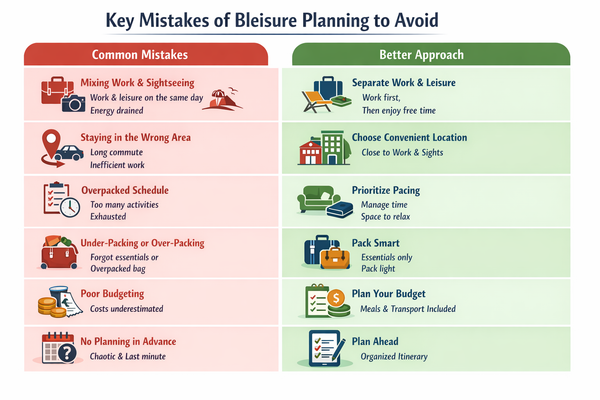
Overpacking and Carrying the Wrong Essentials
Packing too much or too little is a common mistake among the top mistakes to avoid when planning your next family trip. Families often bring bulky items that are rarely used while forgetting essentials like travel adaptors, medicines, or children’s comfort items. If planned a little smartly, you can easily avoid this mistake.
Trying to See It All
With too many cooks in the trip-planning kitchen, each with their own preferences, itineraries can often end up jam-packed with different destinations, leading to rushed mornings and long, exhausting travel days without any time to unwind. Instead, make sure to slow down.
Spending Every Single Moment Together
People in our family always have different interests, diverse personalities, travel styles, and possibilities to push each other’s buttons. It is okay to split up, especially if somebody’s one thing seriously affects others. Taking breaks from each other makes it more fun to reconnect over dinner and hear about what everyone experienced that day.
Planning Framework That Actually Works
Family travel universally fails because we use the wrong approach. Once I stopped planning like I was organizing a traditional vacation and started planning around everyone’s real needs, everything became easier. Here’s the framework that finally worked for me. It’s simple, practical, and built for actual families with actual constraints.
Step 1: Start with Everyone’s Real Non-Negotiables
Some people wouldn’t work because they couldn’t walk long distances, a kid needed naps at odd hours, or someone had a work call in the middle of the day. So it's better not to jump straight into searching for exciting attractions. The real starting point in family itinerary planning is understanding the limits each person brings(mobility, schedules, budgets, comfort levels, and all those small but crucial details).
Step 2: Shape the Day Around Energy, Not Activities
Instead of cramming in as many “must-see” spots as possible, I learned to plan around our natural rhythms. I like to plan 3 things per day, one in the morning, one in the afternoon, and one in the evening. If everyone is feeling great and ready to keep going, we do more, but anything extra we fit in is a bonus.
I hate wasting time trying to figure out what to do, so what I do when I plan my three things is have a list of other possibilities that make sense based on where we will be. You can give the group those few choices and be on your way. Because the plan now works with how people actually feel, not against it, the whole trip becomes calmer and much easier to enjoy.
Step 3: Use Loose Time Blocks Instead of Rigid Schedules
Families are not built for 9:00 AM–9:45 AM–11:10 AM itineraries. Someone is always hungry early, tired early, or running late. Blocks give structure, but leave room for surprises, and that’s exactly what multigenerational travel planning needs. If lunch goes long, it’s fine; the next block just shifts a little. If someone needs an extra break, nobody feels like the whole day is ruined. A block-based plan keeps everyone oriented without making anyone feel pressured, and that balance is what turned our family trips from chaotic to comfortable.
Step 4: Prepare Backup Options That Match the Same Energy Level
Things will always change when you’re traveling with kids and grandparents, so the key isn’t making a flawless plan but making a plan that bends without breaking. If your main morning plan involves walking, the backup should be a shorter walk or a nearby view, not a crowded museum across town. When backups feel like simple sideways shifts instead of total resets, the day stays smooth even when the original plan falls apart. It’s a small adjustment that makes the entire trip more resilient.
What iMean AI Can Actually Help With
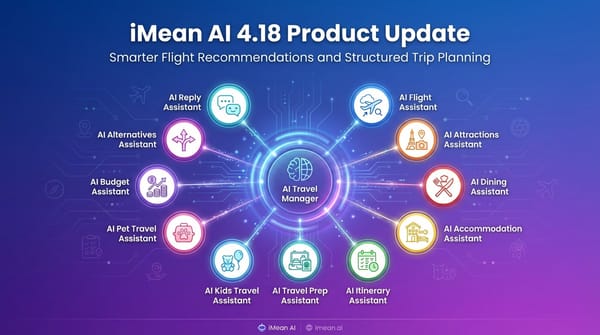
AI trip planners like iMean AI can genuinely make travel planning easier, not because they replace your judgment, but because they remove the most time-consuming and repetitive parts of the process.
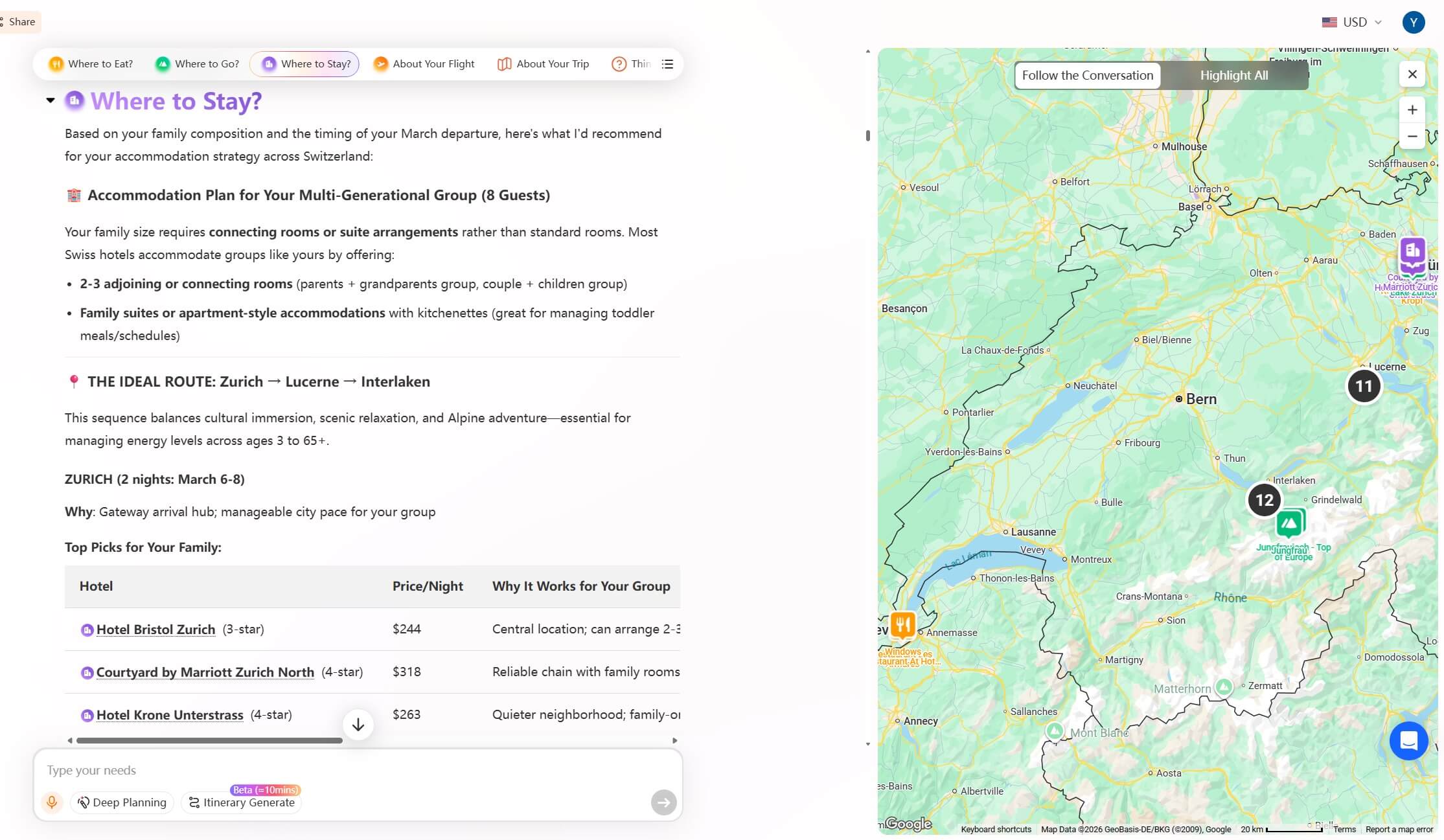
One of the biggest advantages is how quickly iMean AI can narrow down overwhelming choices. Instead of scrolling through dozens of flight combinations or jumping between hotel tabs, you can describe your budget, rough dates, preferred travel style, or even the kind of trip you think you want, and the system can immediately filter the noise into a few scenarios that actually make sense.
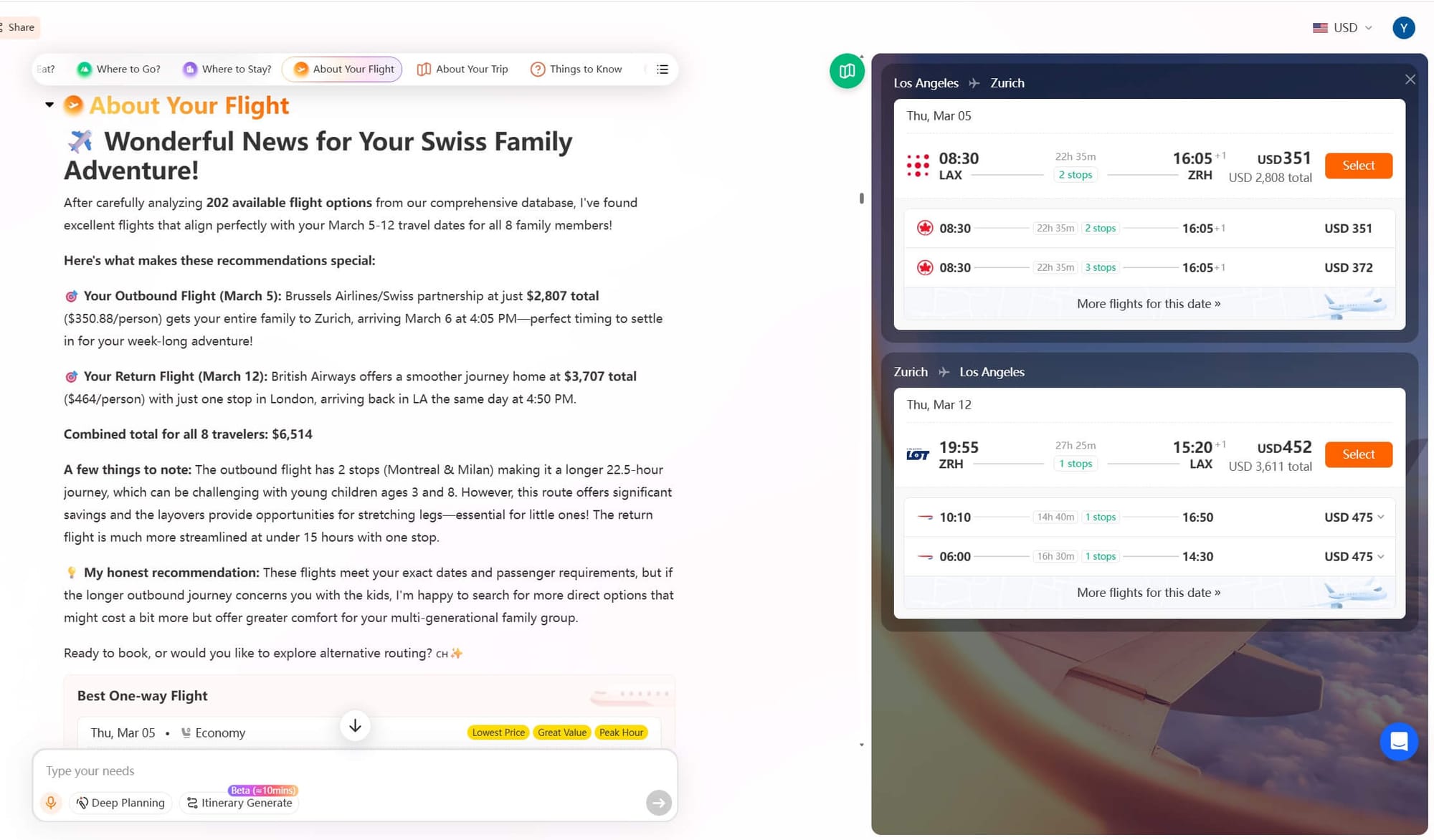
Furthermore, this best trip planner for families can help you build a day-by-day plan that stays coherent. Travelers often choose activities individually, only to realize later that they’re spread across opposite sides of a city or require long transfers that make the itinerary unrealistic. Because iMean AI evaluates distance, transportation time, and opening hours at scale, it can reorder activities into a flow that feels natural and is physically achievable.
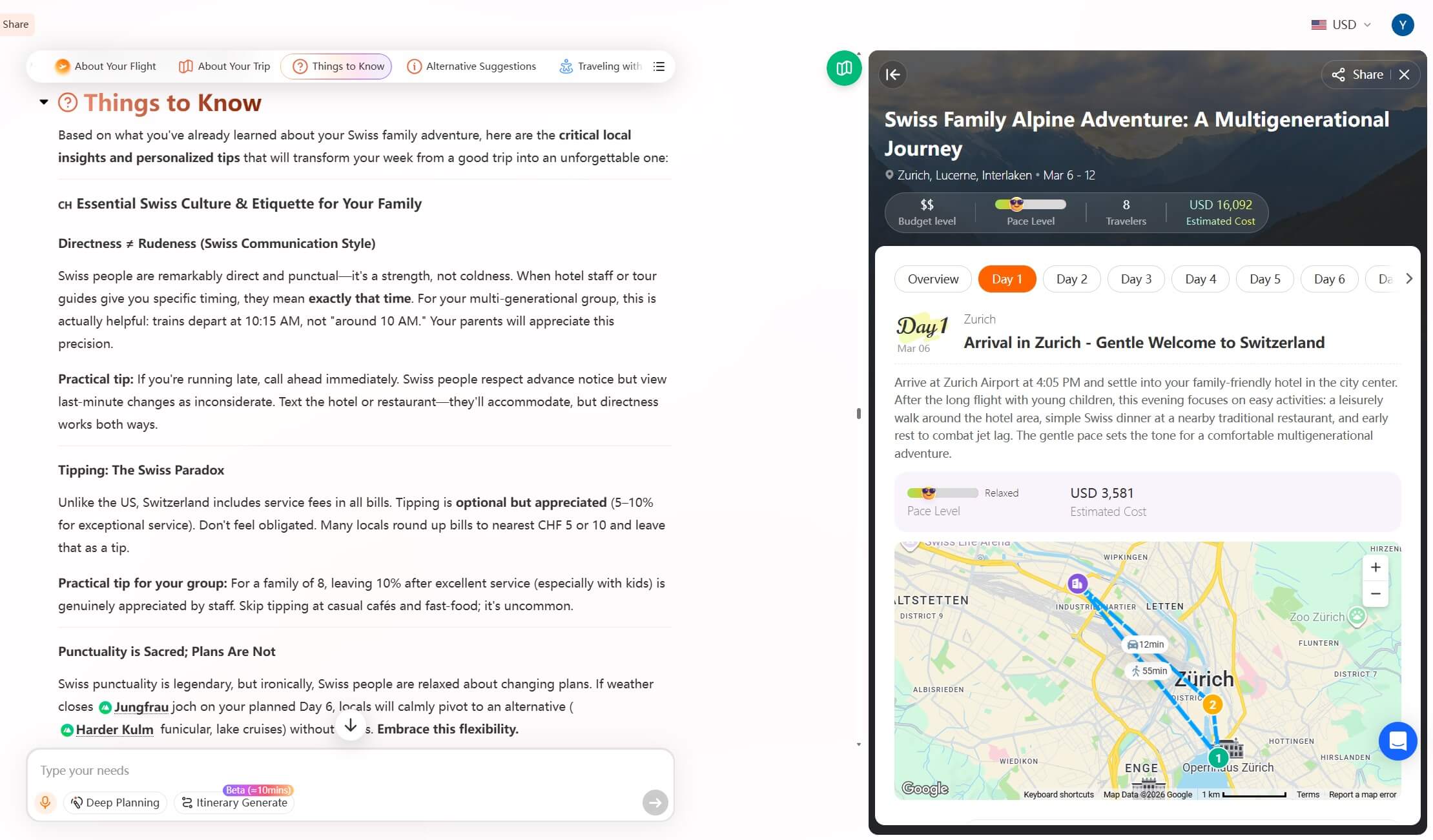
Finally, it can help you compare trade-offs more clearly. Rather than giving generic advice, iMean AI can show how adjusting a variable, like shifting dates or modifying daily pace, affects both cost and trip structure. In other words, the system acts less like a decision-maker and more like a travel analyst working behind the scenes, helping you see the implications of each choice before you commit.
Final Thoughts
Planning a family trip isn’t hard because you’re bad at it. It’s hard because these trips involve real-life constraints nobody talks about. If you approach your next multi-generational trip with more realism, more flexibility, and our AI trip planner, you might finally experience what a family vacation is supposed to feel like: not exhausting, not overwhelming, but genuinely memorable in the best possible way.