

If you’re looking for a Europe trip planner that keeps things simple and actually works in real life, this guide will walk you through everything you need.
Europe is exciting, but planning a multi-city route can be faced with many choices, busy trains, confusing neighborhoods, hotels that appear close on the map but are actually 25 minutes away from anywhere you want to visit, and so on. Instead of a regular trip planner website that still needs to piece things together yourself, an AI trip planner would be a game-changer.
Here is the full, step-by-step planning roadmap for 2026 Europe trips from my practical experiences and the help of the best AI trip planner.
Best Time to Visit Europe in 2026
Europe has something special in every season. I lived in Europe for 5 years and always traveled in May or the first week of September.
Spring (March–May)
This is my favorite time. Fewer crowds, good weather, and better prices. Outdoor cafés come back to life, and most cities feel relaxed.
Summer (June–August)
This is the classic “postcard Europe” season with long days, festivals, and beaches. But Summer experiences very high tempers in certain parts(it also depends on where you are coming from and what you are used to), especially in Italy, Spain, and France. By the way, August is school holidays-crowded, expensive, and hot.
Fall (September–November)
Cooler days, warm colors, cheaper hotels. Many locals say this is the ideal season for a first-time trip. It’s calm and not too cold.
Winter (December–February)
If you like cozy cafés, museums, and Christmas markets, you’ll love winter trips. Stick to bigger cities like Paris, London, Amsterdam, Vienna, and Munich, where indoor experiences shine.
Recommended Trip Length
- One city: 3–5 days
- Two cities: 6–8 days
- Multi-city route: 10–14 days
- Grand trip (4–6 cities): 14–21 days
Definitely don't stay for less than three nights anywhere, because it starts to feel like you're constantly at airports. Flights between major European cities are relatively inexpensive and quick. You don't want to miss out on a major European city that you've always wanted to see just because you wanted to "experience the culture" and went to some small town that you got bored with after a day.
How I Plan My Trip Using an AI Trip Planner (Step by Step)
Here’s the exact process I use. To keep things realistic, I’ll reference iMean AI since it’s the best trip planner I’ve used for real, day-by-day planning.
Step 1: Tell it exactly what I want
I start with a plain sentence like: Plan a 10-day trip to Paris, Barcelona, and Rome in May. I like museums, food, and easy walking routes.iMean understands natural language, so there is no need for a template. Just remember to tell your destination, approximate time, and personal preferences clearly. It uses its travel-focused system to avoid recommending fake attractions or wrong details, which is something I’ve run into with other planners.
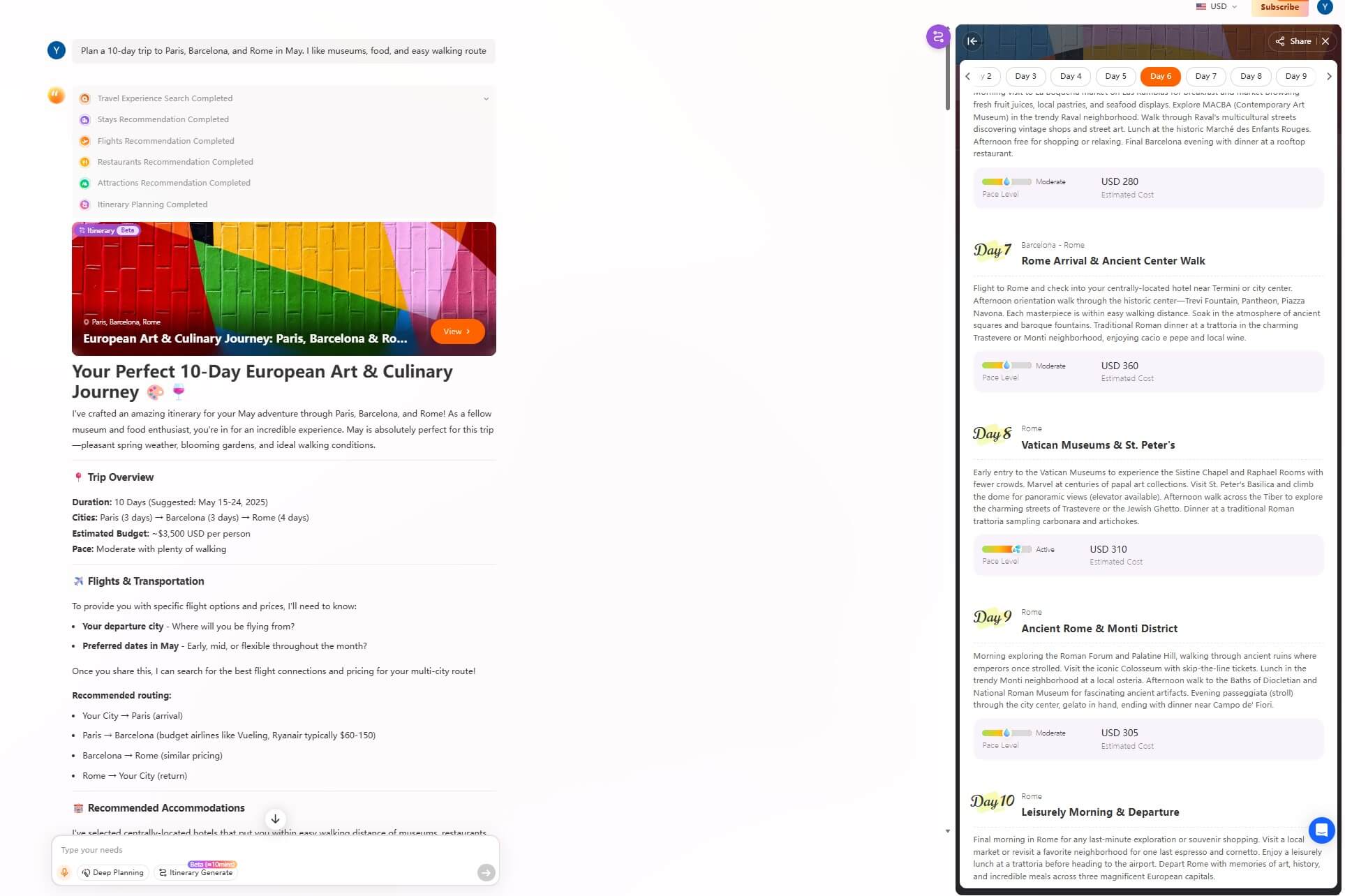
Step 2: Get a complete itinerary with flights and hotels included
Within seconds, you can get a full day-by-day trip with realistic routes, immediate activities, and suggestions that actually exist. The plan also includes flight options pulled from across the web and hotel picks filtered by your budget, location, and amenities. All of them come with valid booking links, so I can click through to buy the exact deal it found.
Step 3: Adjust the plan and book what you like
If I want a slower morning, a different neighborhood, or a day trip added, I just say it in one sentence, and the whole itinerary updates while keeping all purchase links intact. Finally, I got the sample itinerary. After everything looks right, share it with a link or go ahead and book the flights and hotels directly from the plan.n
Where to Stay in Europe
A good area means shorter walks, safer nights, better food, and better vibes. Below are the areas I recommend most often, simple, safe, and beginner-friendly.
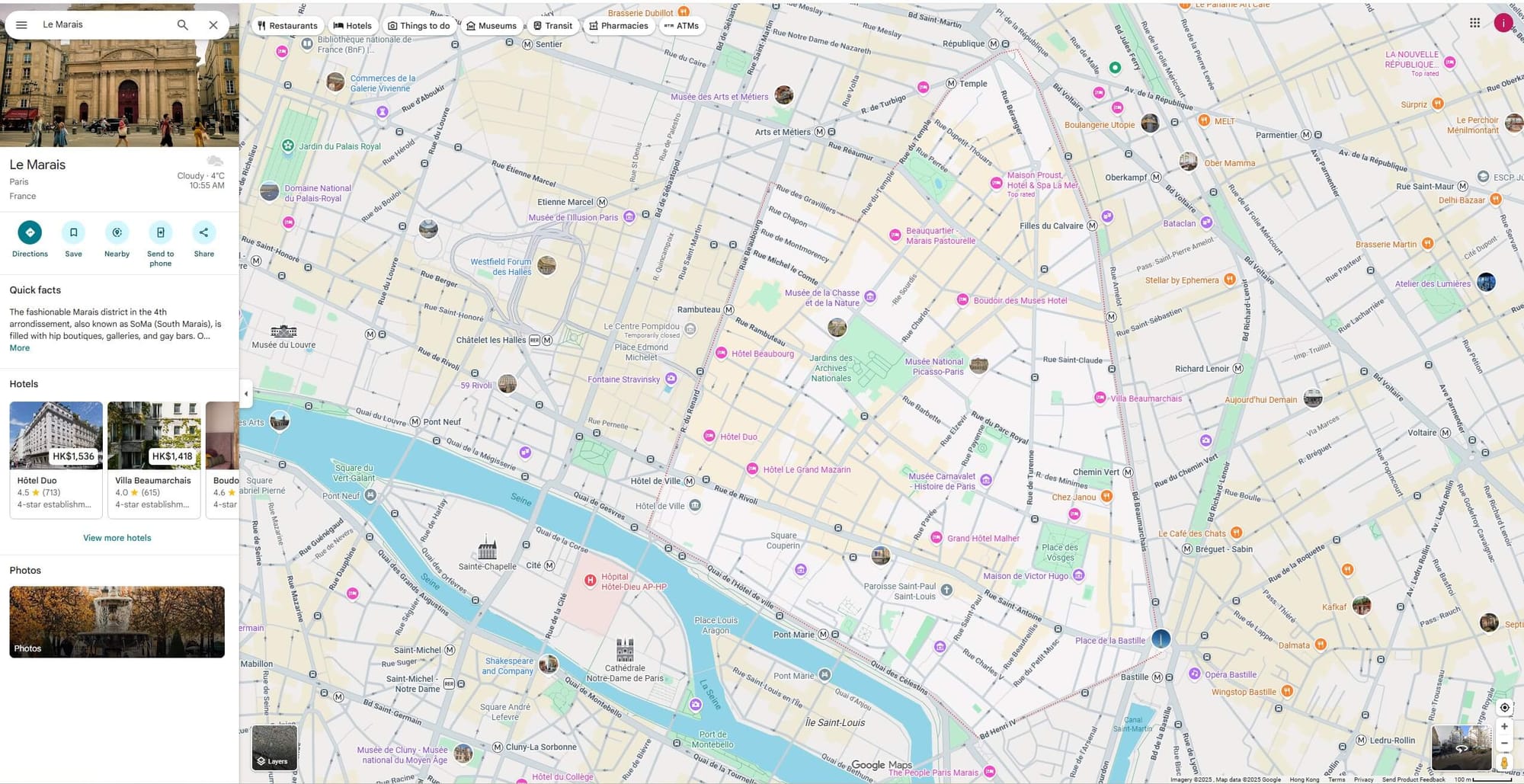
Paris: Le Marais
If I had to recommend just one area for most people, it would be Le Marais. It sits in the historic center, so you can walk to the Seine, Île de la Cité, and many major sights without needing the Metro every morning. Plus, it's quiet and safe at night. If you’re a first-timer trying to cover many sights quickly, Le Marais saves enormous transit time because of its central location and tight street grid.
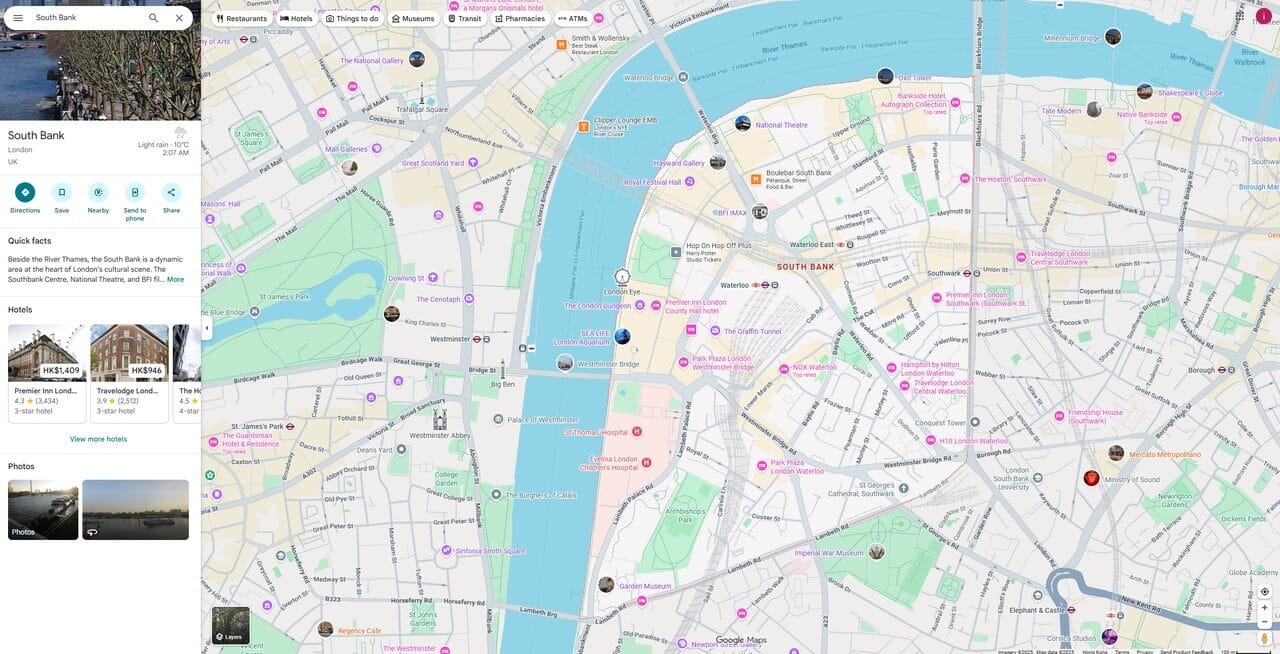
London: South Bank / Waterloo
London is huge and spread out, so the best “one-size-fits-most” base is South Bank (around Waterloo). It's ideal for families and first-timers to walk to the places of interest without crossing busy roads. What's more, it connects directly to the Tube, trains, and several bus lines, making it easy to reach both the West End and major museums. The vibe of the area strikes a rare balance between safety and convenience.
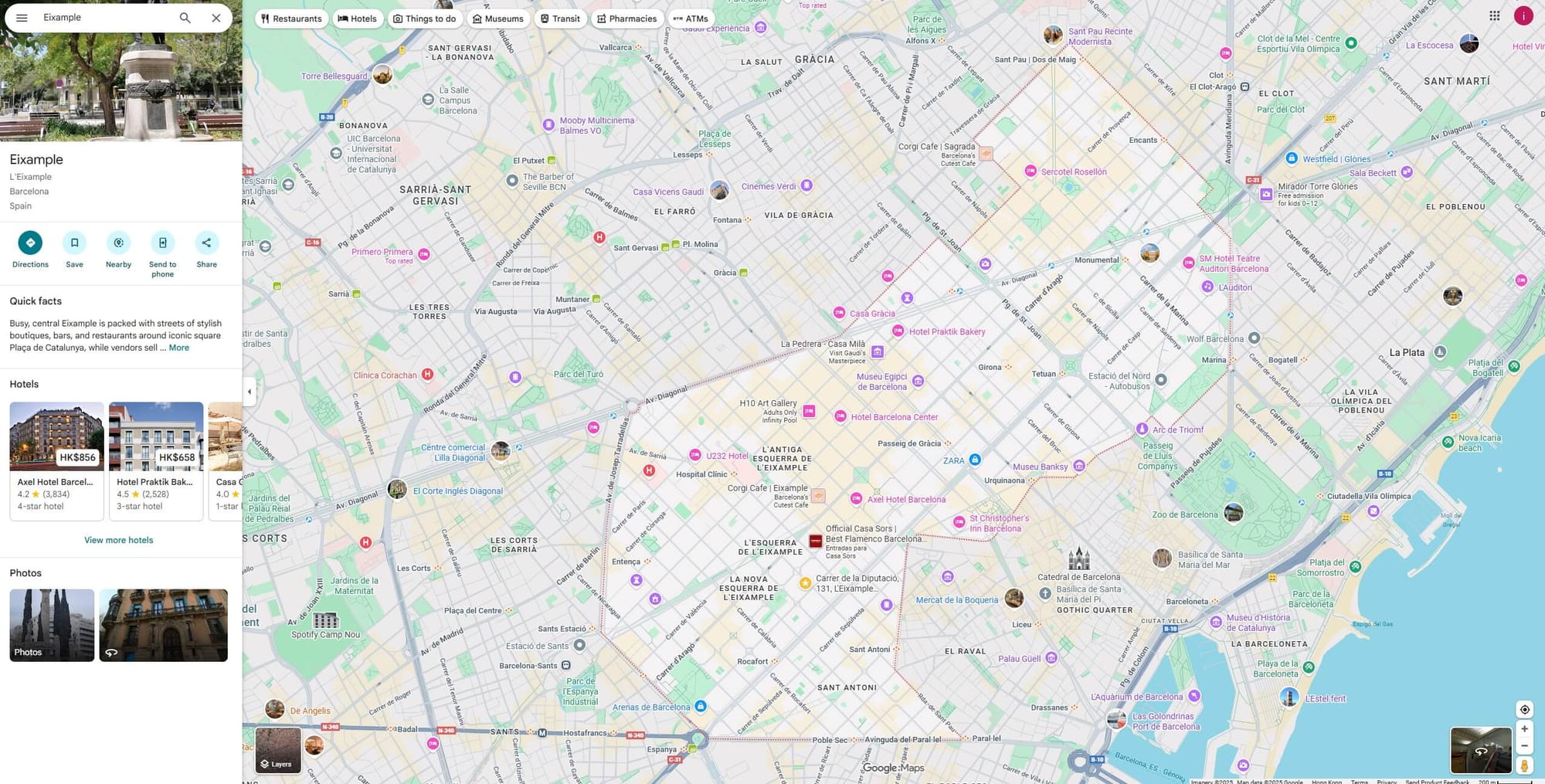
Barcelona: Eixample (around Passeig de Gràcia)
Barcelona has many charming pockets, but Eixample, especially around Passeig de Gràcia, works for nearly every type of traveler. Close to Gaudí landmarks within walking distance, it has some of the city’s best restaurants, major stores, and designer boutiques. Transit is straightforward with multiple Metro lines cutting through the area. If you prefer a calm home base but still want quick access to the livelier parts of the city.
Top Things to Do in Europe
There are lots of places in Europe that you could visit without doing a tour. I have personally experienced the following routes, and I consider them as my top things to do in Europe.
Route 1: London → Paris → Amsterdam
You can get to three major cities through simple, walkable days. Start with a Thames-side walk in London, passing Tower Bridge, the Tate Modern, and the London Eye without needing a set plan. Take the train to Paris and wander from the Marais to the Seine before ending on the Left Bank for a slower view of the city. Finish in Amsterdam by beginning in Jordaan, easing into the Canal Belt, and ending near the Museum Quarter.
Route 2: Prague → Vienna → Budapest
This way, each city opens with a scenic, low-stress route that avoids crowds. Also, there are direct trains between these three cities. Begin in Prague with an early walk from Old Town Square to Charles Bridge before heading into the quieter district across the river. Continue to Vienna and follow the Ringstrasse past its classic landmarks. Reach Budapest and walk along the Danube, cross the Chain Bridge, explore Buda’s hills, and end with an evening thermal bath. If you were willing to stick to one country, you could do Italy (Rome-Florence-Venice) or Spain (Barcelona-Madrid-Seville-Granada).
Route 3: Italy: Rome → Florence → Venice
Start in Rome’s Trastevere for a calm morning before crossing the river toward the Pantheon and Piazza Navona. Move to Florence and explore from the Duomo to the San Lorenzo markets, ending by the Arno at sunset. Finish in Venice by starting in Cannaregio, wandering toward the Rialto, and ending near St. Mark’s or cruising the Grand Canal. Beginning in quieter neighbourhoods keeps Italy enjoyable, not overwhelming. If you go there in summer, please note that many hotels do not have air conditioning.
Route 4: Spain: Barcelona → Madrid → Seville → Granada
You can move through Spain’s different moods at a pace that feels natural. Begin in Barcelona along the edges of the Gothic Quarter, heading toward the Cathedral and the waterfront. Continue in Madrid with Retiro Park and the Literary Quarter before ending near the Gran Vía. In Seville, wander through Santa Cruz, the Alcázar gardens, and the riverfront. Finish in Granada by climbing the Albaicín before entering the Alhambra.
Transportation Tips You Actually Need
Getting Around the City (Subway / Bus / Walking / Car Rental)
In major European cities, the subway and buses are usually the fastest and most reliable way to get around—especially in places like London, Paris, and Madrid, where public transit is dense and efficient. Walking is often better in old towns since streets are narrow and traffic moves slowly. Smaller cities or historic centres are often easiest to explore on foot. Renting a car isn’t ideal for city centres due to parking, high fees, and one-way streets, but it’s perfect for countryside areas like Tuscany or the white villages in Andalusia.
Travelling Between Cities (Train / Flight / Car Rental)
For short and mid-range routes, trains are usually the best value. For example, Paris to Amsterdam, Vienna to Budapest, or Madrid to Seville. High-speed rail is direct and saves you the airport commute and security time. For long distances or when you’re on a tight budget, low-cost airlines are the fastest option, but watch out for baggage fees. Renting a car works well for countryside trips, like Italian towns or southern Spain, but if your itinerary is city-heavy, trains are more efficient.
Essential Transit Cards & Passes
Each country has its own passes that can save a lot if you’re visiting multiple cities. France, Italy, and Spain all offer rail passes that make multi-city trips cheaper and easier. In the UK, the Oyster card and various Railcards can significantly cut down transit and train costs. Switzerland’s Swiss Travel Pass covers trains, cable cars, and even boat rides. Always check your travel pace to make sure the pass actually saves you money.
Final Thoughts
Europe trip planning doesn’t have to be stressful. With the right routes, clear hotel areas, and a planner that actually listens to what you want, your 2026 trip can feel smooth and doable. If you want a personal, editable day-by-day itinerary for any city in Europe, try iMean AI’s free trip planner and build your route in minutes.