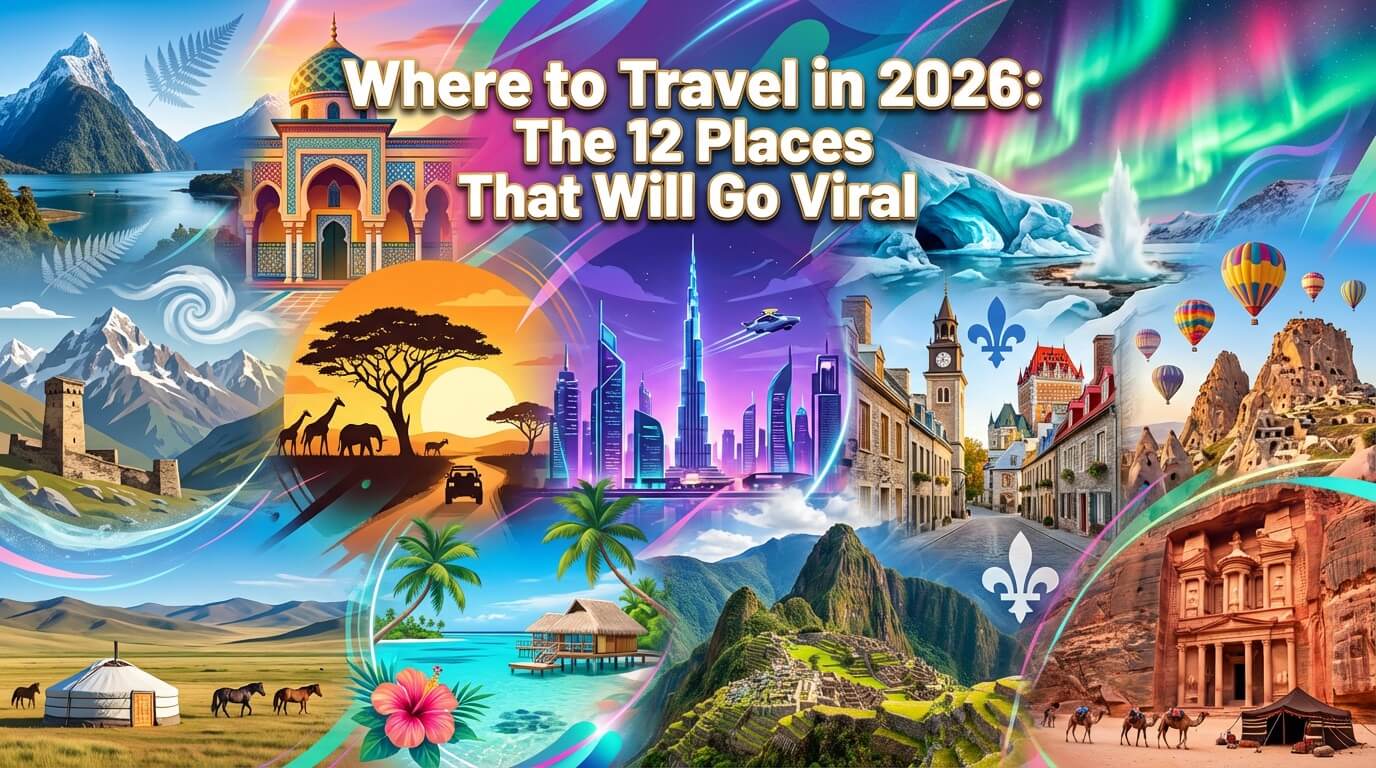
Social media makes some destinations that feel distant or niche inevitable, and 2026 feels like a good time to plan something big. If you are considering where to travel in 2026, maybe you will find the answer in this article, which aims to introduce why certain places are likely to dominate travel conversations in 2026 and who they actually make sense for.
Here are 12 destinations that will be the best places to travel in 2026. Now let's proceed.
New Zealand
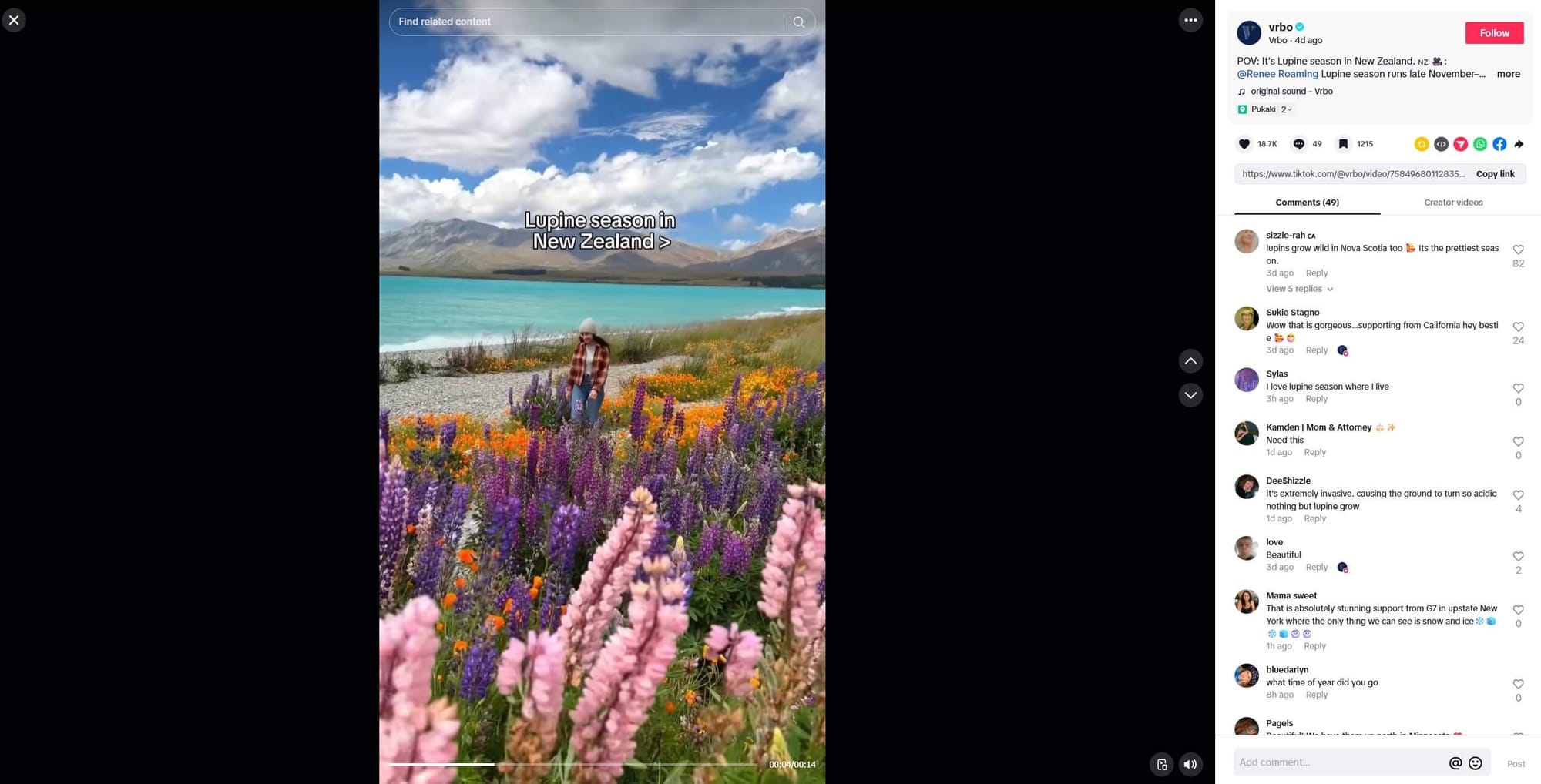
New Zealand’s appeal lies in scale and space, two things travelers increasingly value. If you have any kind of interest in the outdoors or the natural world, there's nowhere like it. It's a place where conservation is a highly debated topic among the majority of the population. Empty roads, quiet lakes, small towns, and incredible views all make you feel healed. There's so much untouched wilderness. Life feels so much more laid back.
New Zealand suits travelers willing to move slowly and stay longer. Couples, outdoor enthusiasts, and long-term travelers benefit most from its rhythm. As travel trends in 2026 lean toward meaningful escapes, New Zealand becomes less about spectacle and more about balance.
Spain
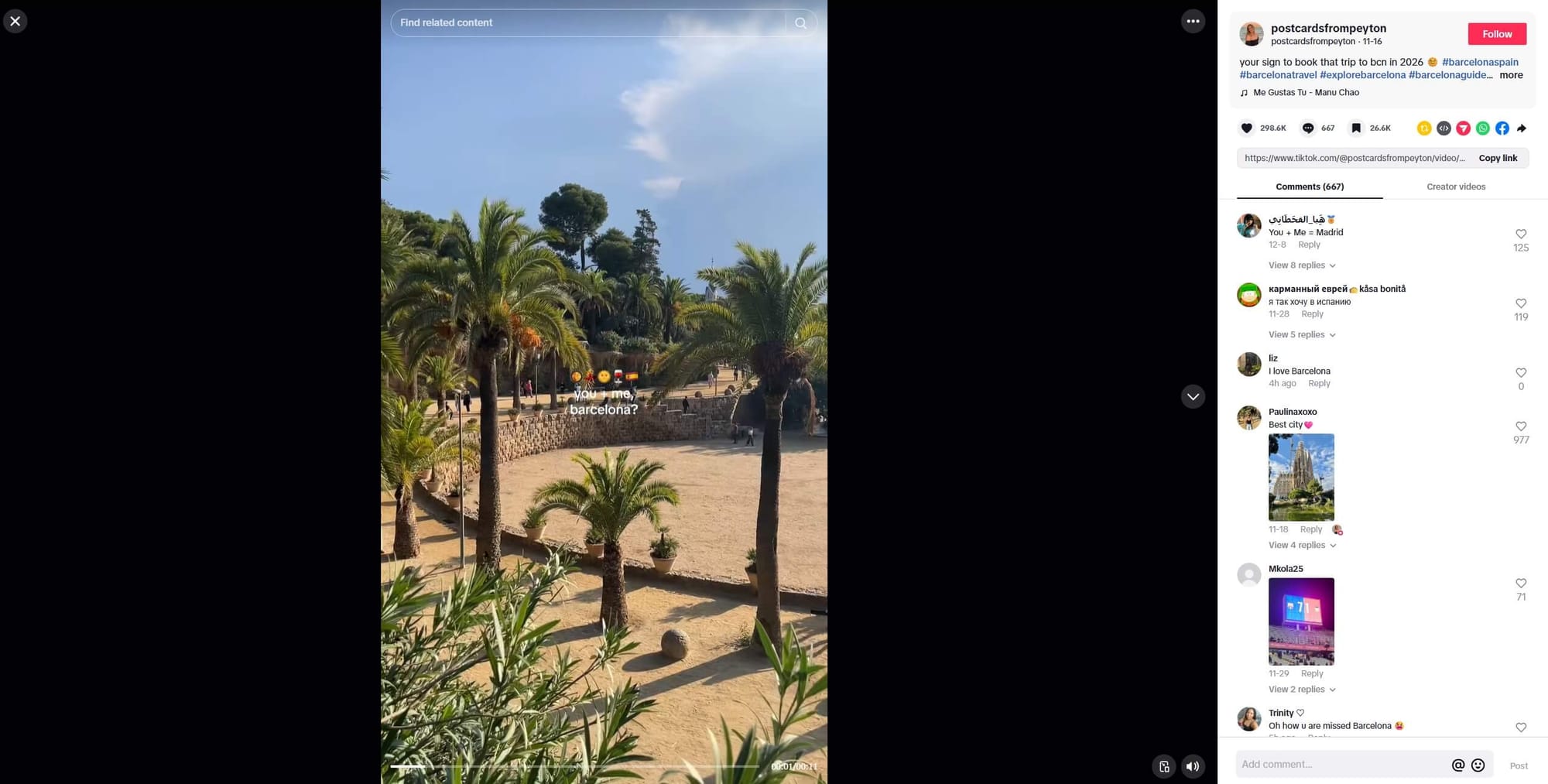
Actually, Spain is always one of the best viral travel destinations. It is a massive country with so much to offer. Northern Spain has one of the world's best areas for food. They are food mad there. It has a similar climate to Ireland but nicer summers.
Instead of city-hopping through Barcelona and Madrid, social media content now highlights slower rhythms about long lunches, regional towns, and extended stays. This aligns perfectly with a broader shift toward slow travel and remote-friendly lifestyles.
For digital nomads, couples, and first-time Europe travelers who don’t want a rushed itinerary, Spain feels flexible and livable. Explaining why Spain is popular is like explaining why hamburgers are popular.
Georgia
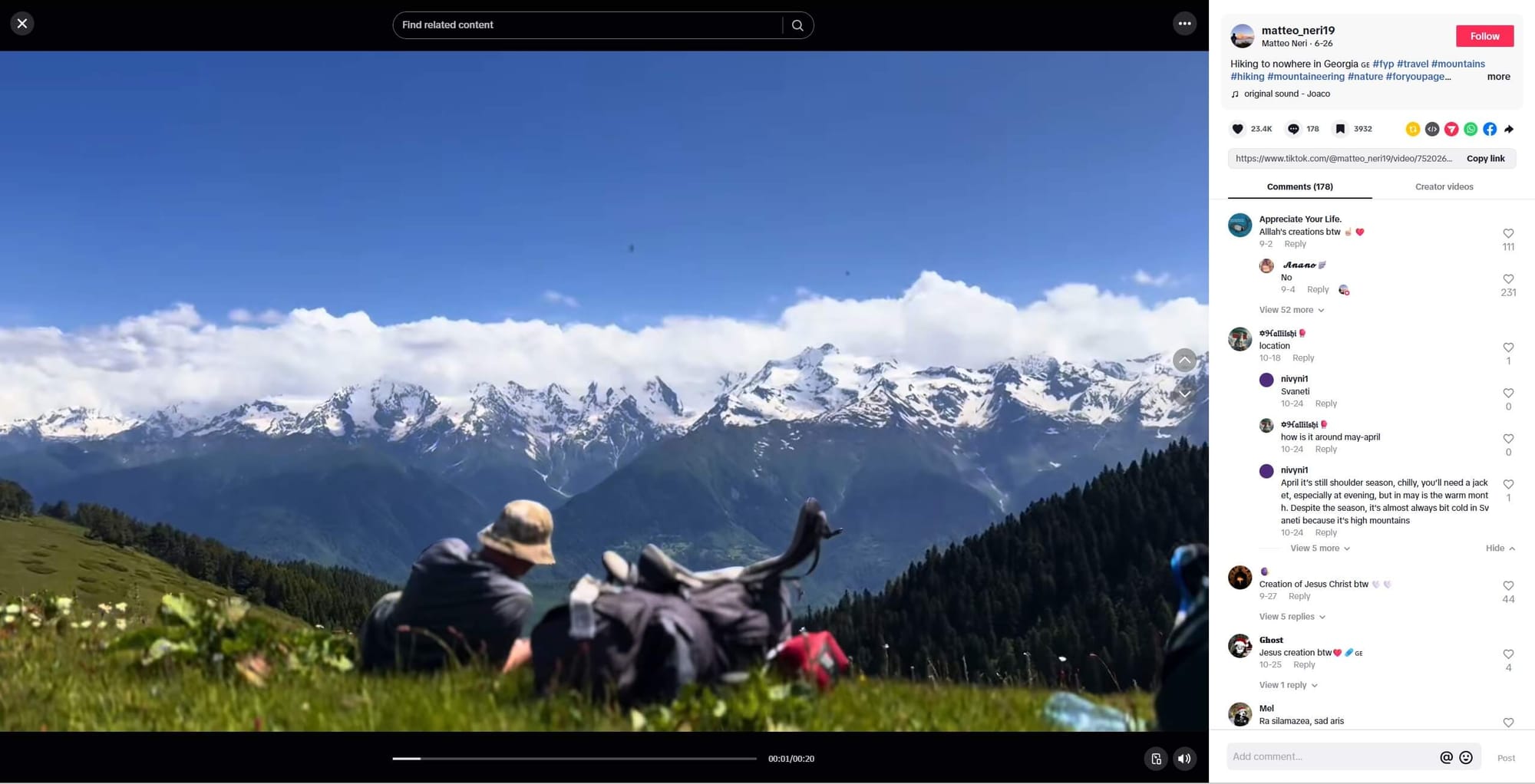
Georgia has quietly been gaining traction, but 2026 is when it reaches critical mass. It is great for food, hiking, history, and sightseeing. Tbilisi’s café culture, affordability, and creative energy pair seamlessly with the dramatic Caucasus Mountains in Kazbegi. This city-to-nature combination reflects a growing preference for trips that don’t require constant movement but still feel diverse. If you are LGBT+, then you just need to be careful, as it is still a very conservative country.
Georgia appeals to digital nomads, solo travelers, and culturally curious visitors who want Europe-adjacent experiences without European price tags. It’s visually compelling, logistically simple, and still refreshingly unpolished.
Tanzania
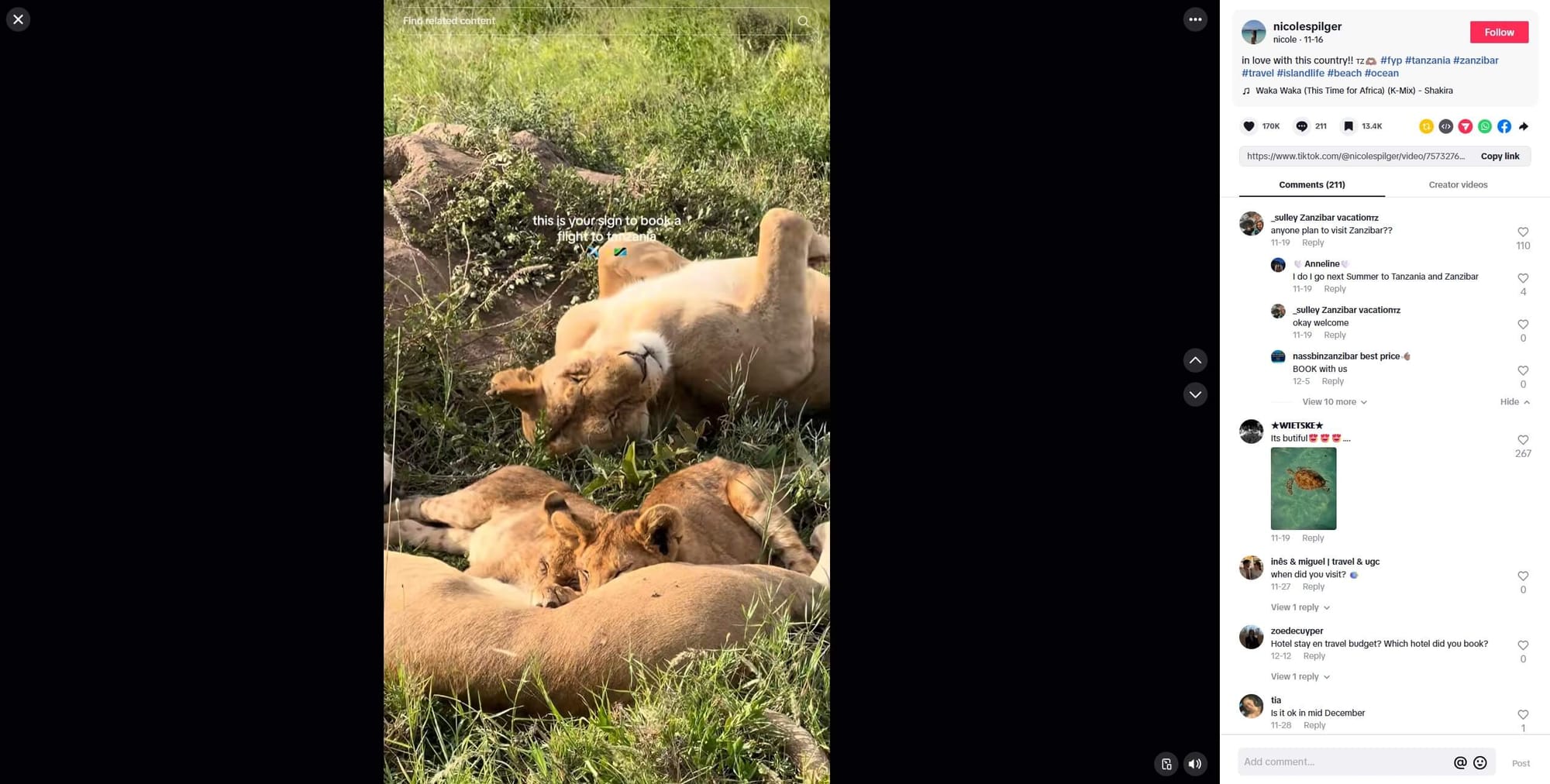
Safari travel used to feel niche or inaccessible, but in 2026, Tanzania brings it into the mainstream. It has the most spectacular fauna on African grassland. Compared to some neighboring destinations, going here to watch the spectacular animal migration still feels less commercial and more immersive. If you are lucky, you can see the holy snow peaks of Kilimanjaro on the equator through the window.
Dawn drives and unscripted encounters give a quieter vibe to travellers. This resonates strongly with audiences craving authenticity. Tanzania suits families, photographers, and travelers who want nature without adrenaline-heavy adventure.
Dubai
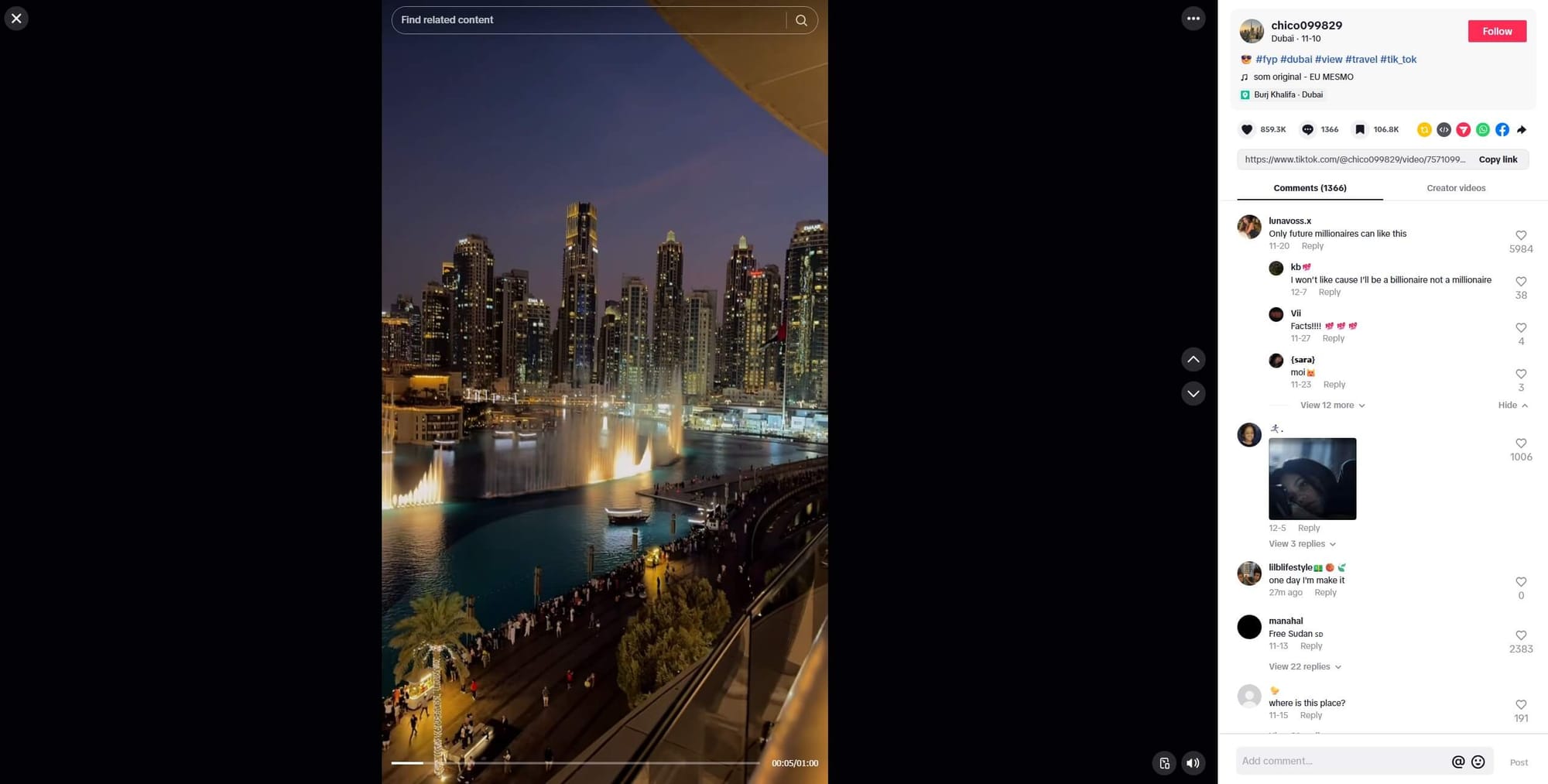
Dubai’s image is changing, and that’s exactly why it’s trending again. The entire city of Dubai is one massive, shiny shopping mall. The guys may like the amusement parks, Ferrari World, and off-roading on dunes. The women may love the fancy hotels, crazy gorgeous shopping malls, and nice restaurants. To each their own. It works well as both a short stopover and a base for regional exploration.
Dubai in 2026 appeals to families, couples, and travelers curious about the Middle East without wanting a complex itinerary.
Iceland
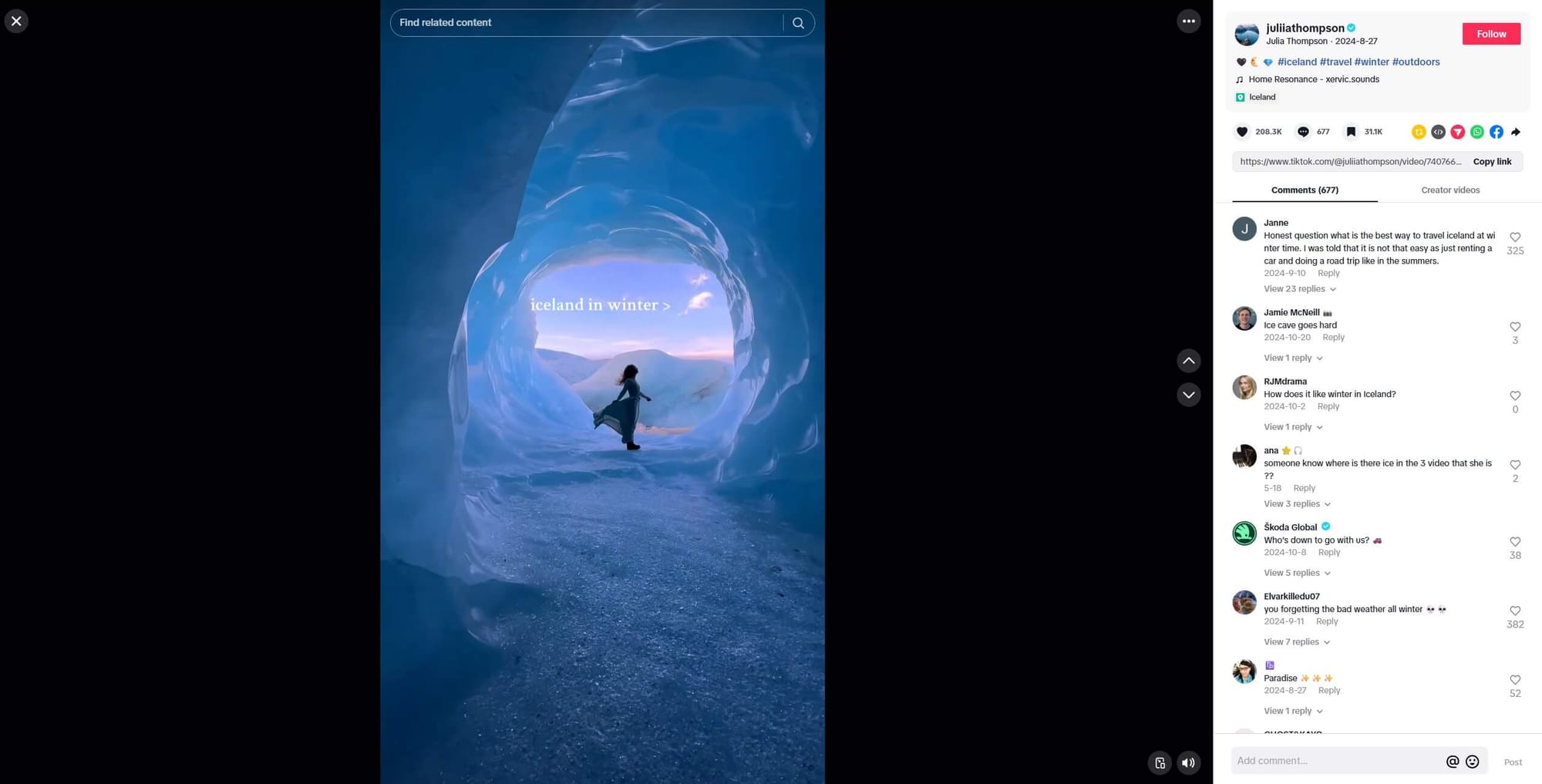
Iceland already had its viral moment, but 2026 marks a second wave. This time, the focus isn’t just waterfalls and ring-road selfies(universally, the peak tourist season in Iceland is in summer). It’s winter travel, ice caves, northern lights, and dramatic isolation. The highlights there are the stunning scenery, hiking outdoors, and relaxing in hot springs at night.
Short-form video platforms have reignited interest by reframing Iceland as a seasonal destination rather than a summer-only stop. Content now emphasizes contrast: fire and ice, darkness and glow, silence and scale.
For photographers, solo travelers, and couples who value landscapes over nightlife, Iceland remains one of the best places to travel in 2026.
Québec City, Canada
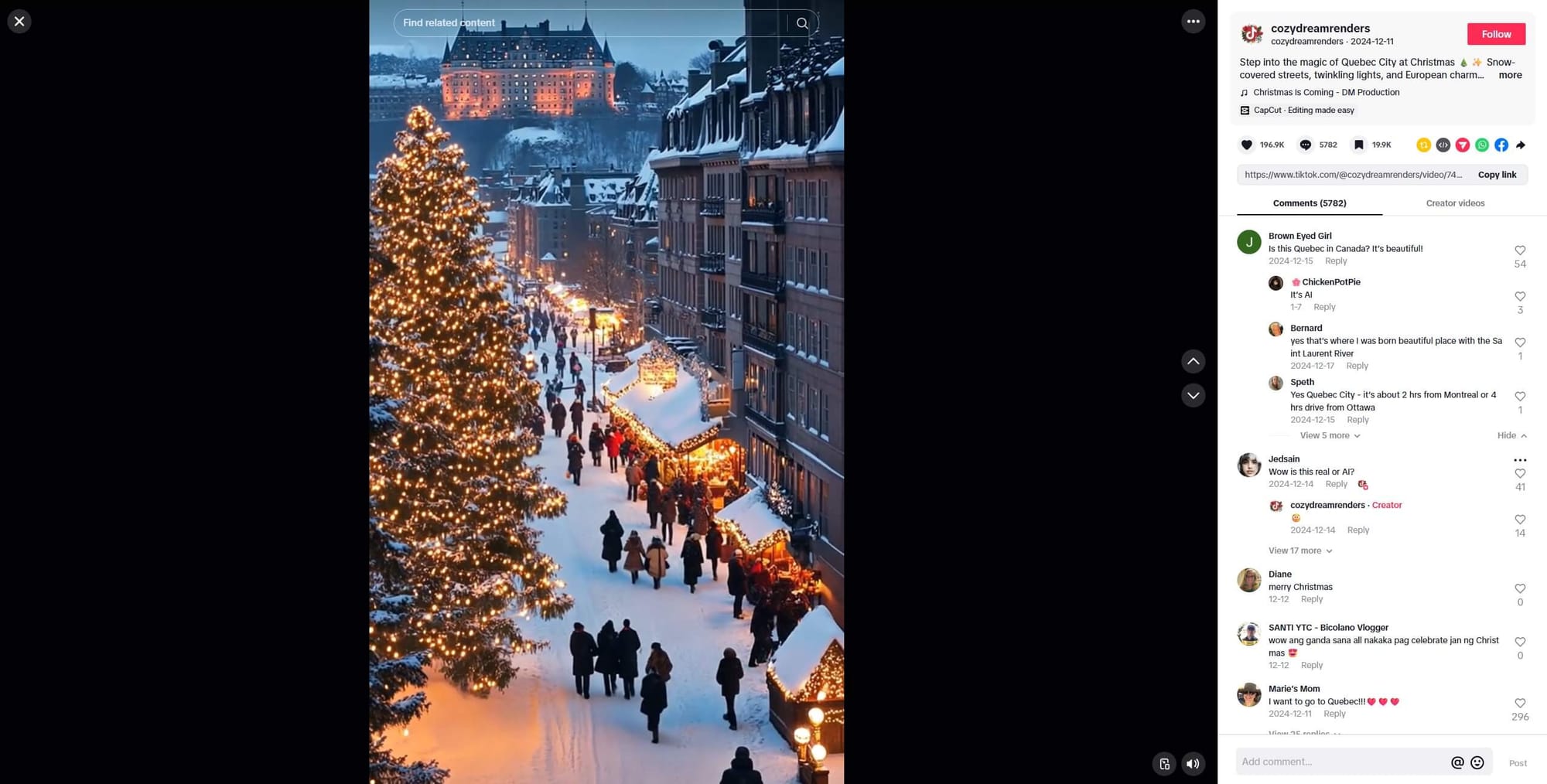
Québec City stands out because it feels European while remaining accessible. In winter, it’s a ski destination, and in summer, it's a hiking destination. Always, it’s charming towns, winding roads, breweries, and restaurants. Snow-covered streets and warm cafés perform particularly well on Instagram and TikTok, where seasonal contrast drives engagement.
As travelers look for shorter, lower-effort trips with a strong atmosphere, Québec City fits perfectly. It’s ideal for couples, families, and city lovers who prioritize walkability and mood over packed schedules.
Turkey
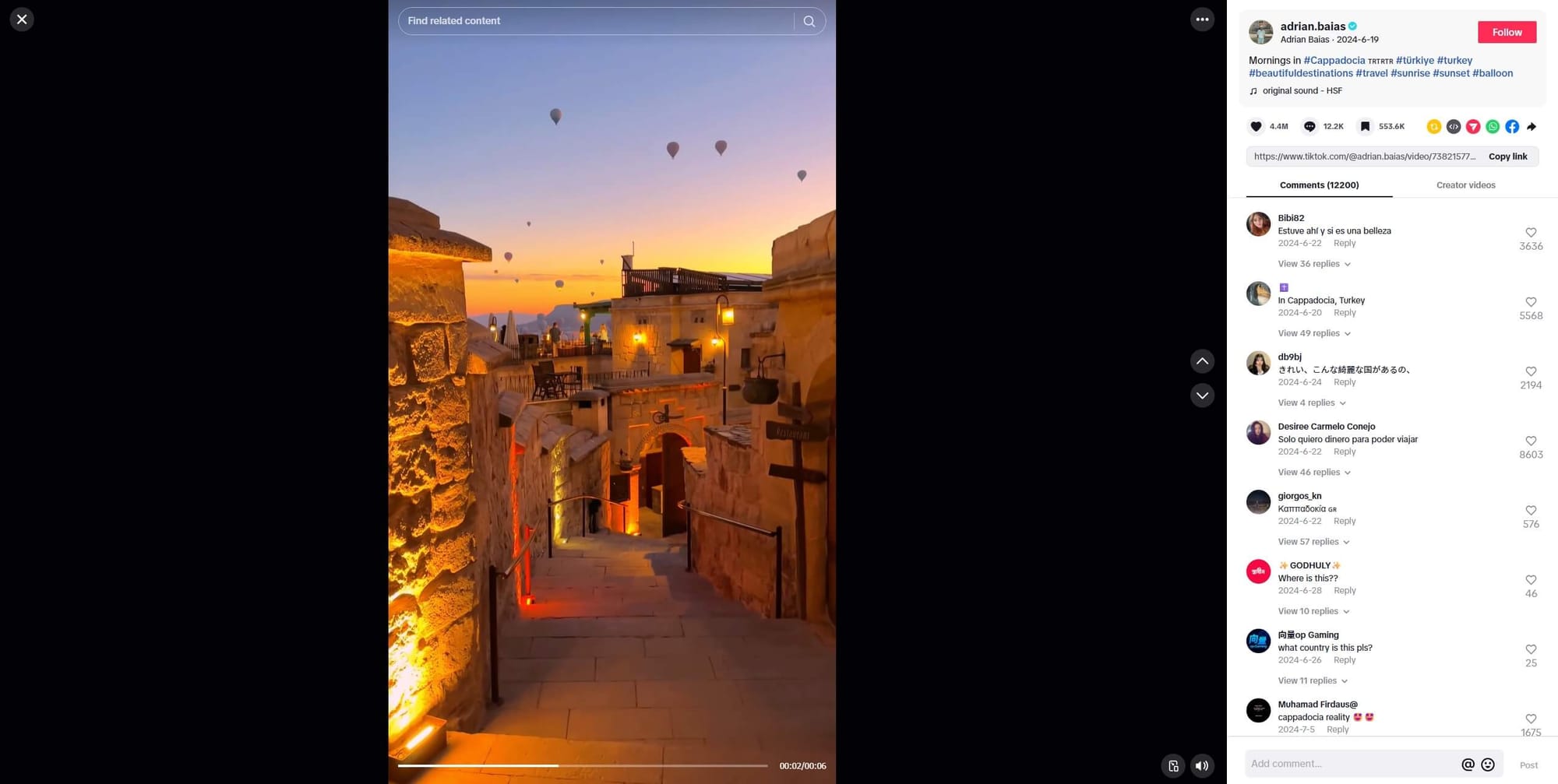
Turkey continues to thrive as a cultural crossroads. It is worth visiting anytime as a popular TikTok travel destination, not only in 2026. The historical places range from open-air ancient historical sites to late Ottoman city architecture and museums, beautiful nature and coast, from mystique Cappadocia scenery to clear turquoise waters of the Mediterranean, rich cuisine and scenery, cultural events that exist only in Turkey, and friendly people are all captivating.
Turkey suits couples, first-time international travelers, and anyone seeking cultural depth without complexity.
Tahiti
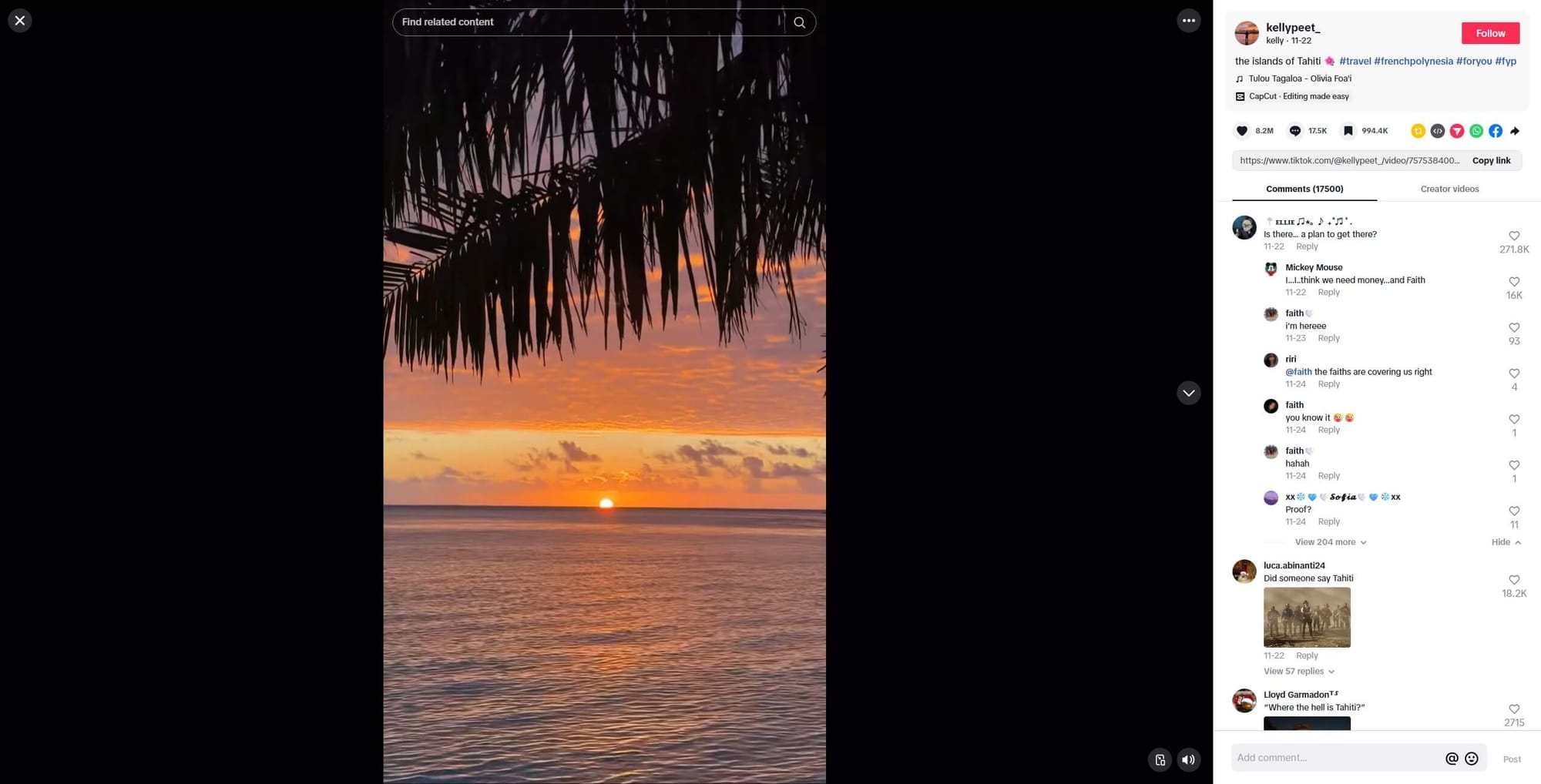
Tahiti has always existed on the edge of travel fantasy, but in 2026, its appeal shifts. Instead of flashy overwater villas dominating feeds, social media is leaning toward quiet luxury: raw landscapes, local culture, and space. As travelers grow fatigued by crowded luxury destinations, Tahiti benefits from being both remote and visually striking. Personally speaking, it does have actual island life and people and culture that I really enjoyed and wished I had more time to learn and explore.
Tahiti fits travelers who want a once-in-a-lifetime trip without the pressure to “perform” luxury online. It’s ideal for couples, honeymooners, and anyone craving privacy over prestige.
Peru
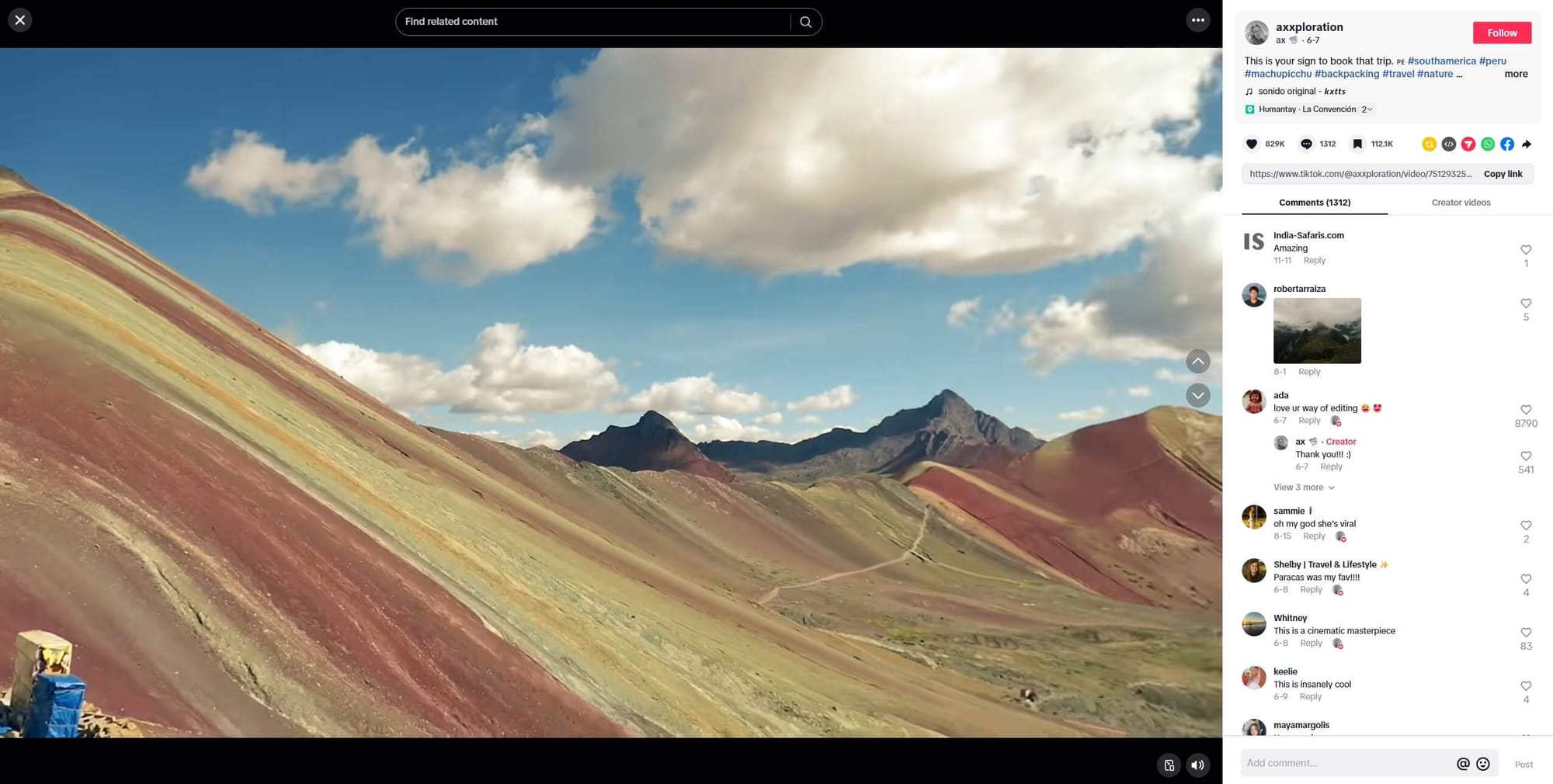
Machu Picchu will always draw travelers, but in 2026, Peru’s story expands. Social media has begun highlighting Peru’s deserts, coastal towns, and lesser-known regions. This shift aligns with a trend away from single-icon destinations toward layered, multi-stop journeys. Peru feels adventurous without being extreme, rich without being overwhelming. Its diversity makes it ideal for travelers who want culture, landscapes, and history without repeating the same itinerary everyone else follows.
For photographers, explorers, and second-time South America visitors, Peru becomes one of the next big travel destinations.
Mongolia
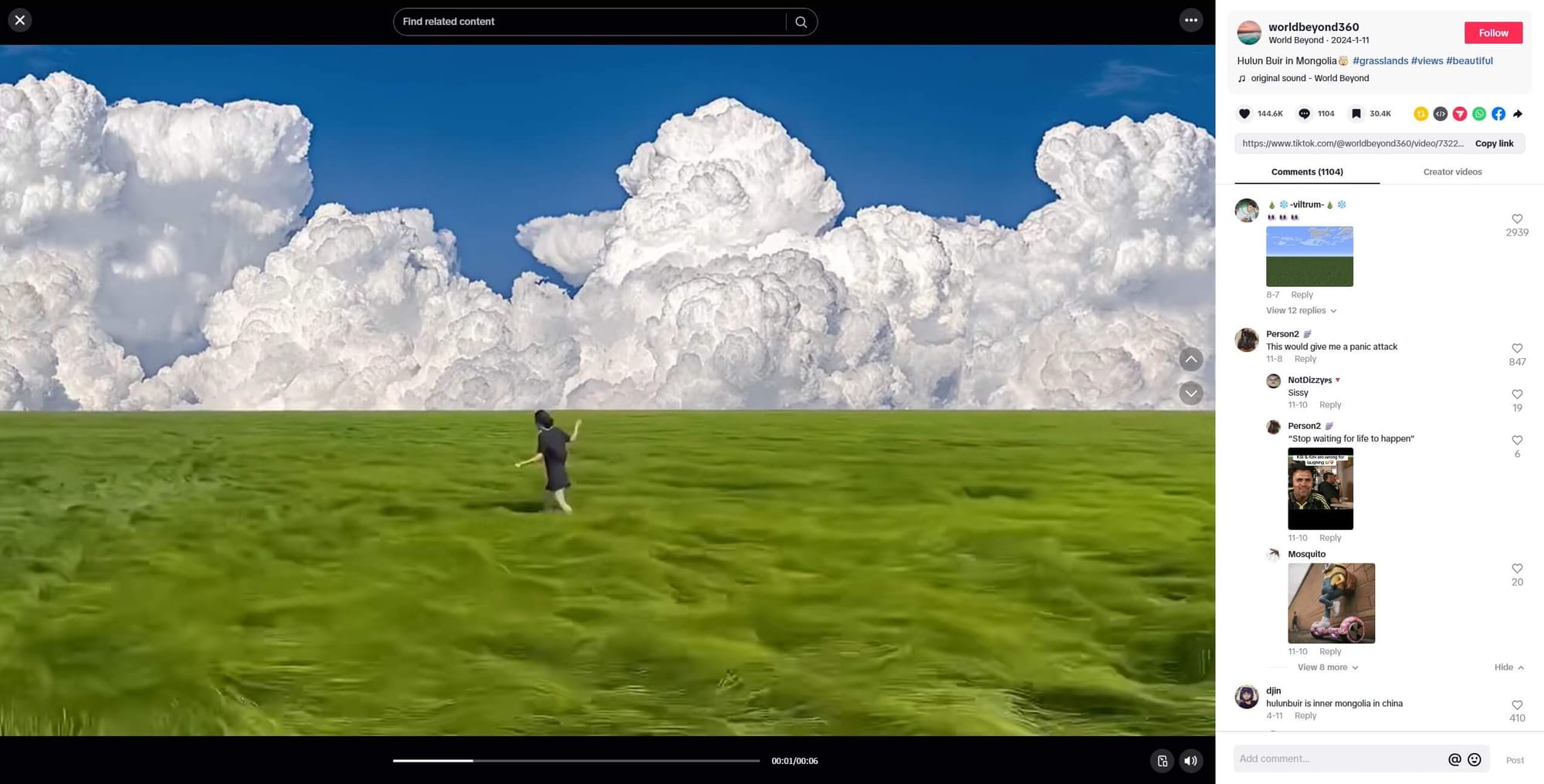
Mongolia trends memorably rather than trends loudly. There's something glorious about the summer here, along with the countryside's vast landscape and the way the mountains touch the sky. Vast grasslands, star-filled skies, and nomadic life offer something increasingly rare. You can always feel so safe and welcomed. Standard precautions apply(don't flash your cash around, etc.), but otherwise, you will feel like you can relax and be in your own element.
This destination suits travelers seeking disconnection instead of entertainment. Photographers, adventurers, and anyone burnt out by hyper-connected travel will find Mongolia deeply resonant.
Jordan
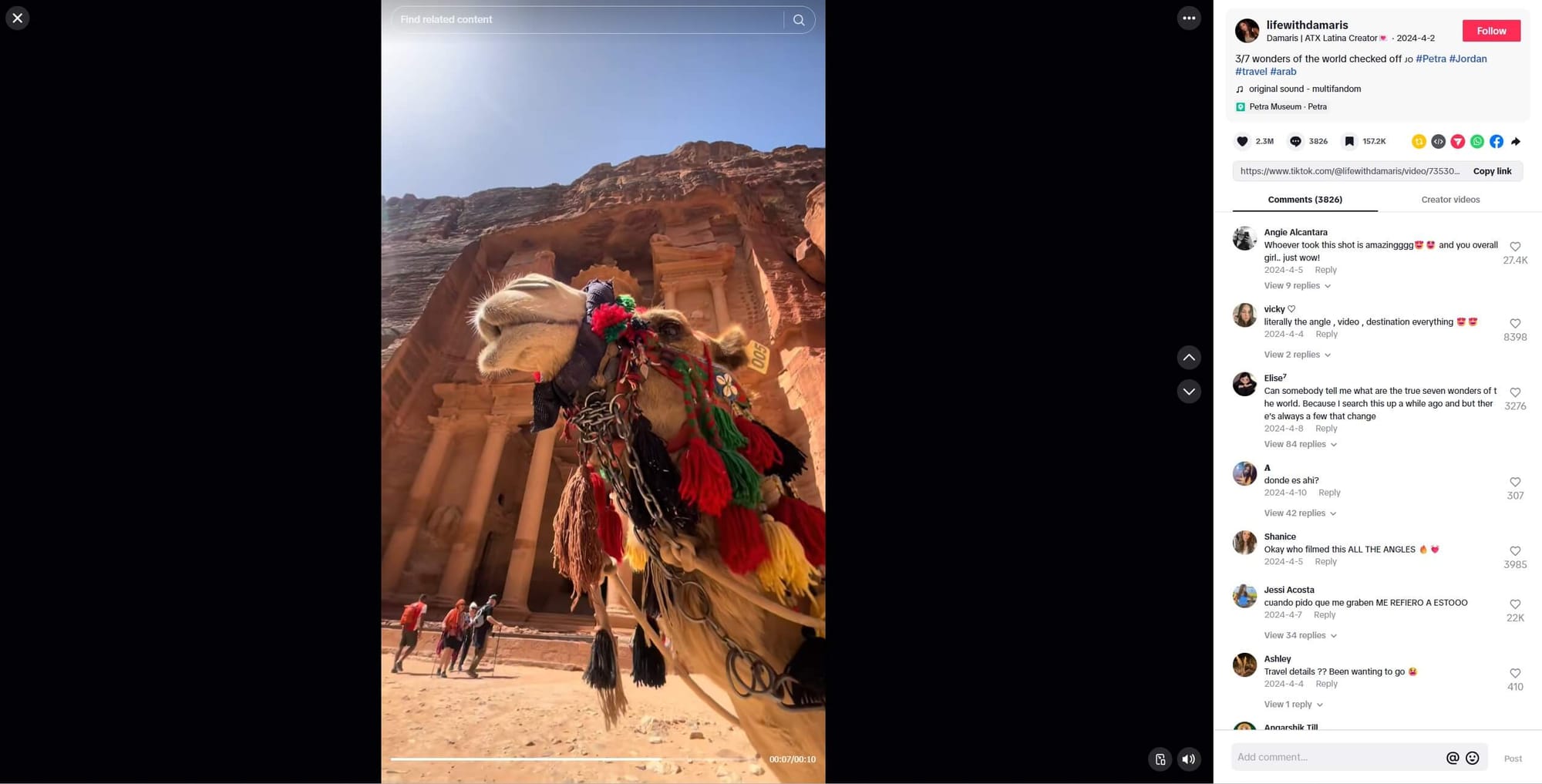
Compared with the surrounding popular tourist destinations, like Egypt, Jordan is easier to visit than Egypt, only because it's smaller. It's stunning and easy to navigate. Both Egypt and Jordan are rich in culture, while Jordan is less chaotic but more approachable. The food is great, and it's good to know there's no food insecurity, that being a cause for war in other regions of the world.
The content on Instagram increasingly highlights Wadi Rum’s desert silence, floating in the Dead Sea, and slow evenings in Amman. Jordan is quietly becoming one of the most viral travel destinations for travelers who crave scale, history, and atmosphere without crowds.
Final Thoughts
Travel trends in 2026 don’t exist to tell you where to go but show you when a destination enters the spotlight. And visibility doesn’t equal suitability. Some of these places will be perfect for you. Others won’t. The real advantage in traveling in 2026 is understanding your own pace, priorities, and limits before following the trend.
Planning early matters more than ever. Comparing routes, seasons, and costs can quickly change how a destination feels on paper versus in reality. Tools like an AI trip planner can help speed up that process so you spend less time guessing and more time choosing a trip that actually fits you. Going viral is optional. Traveling well isn’t.